
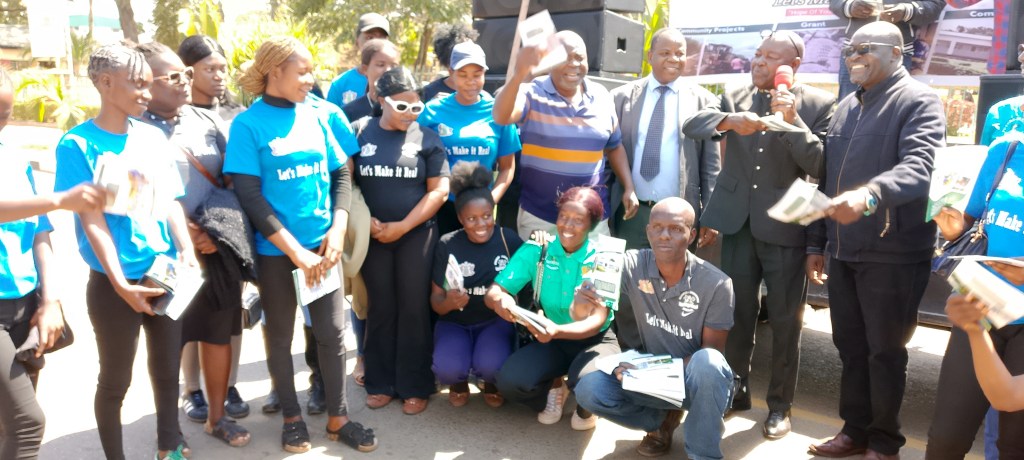
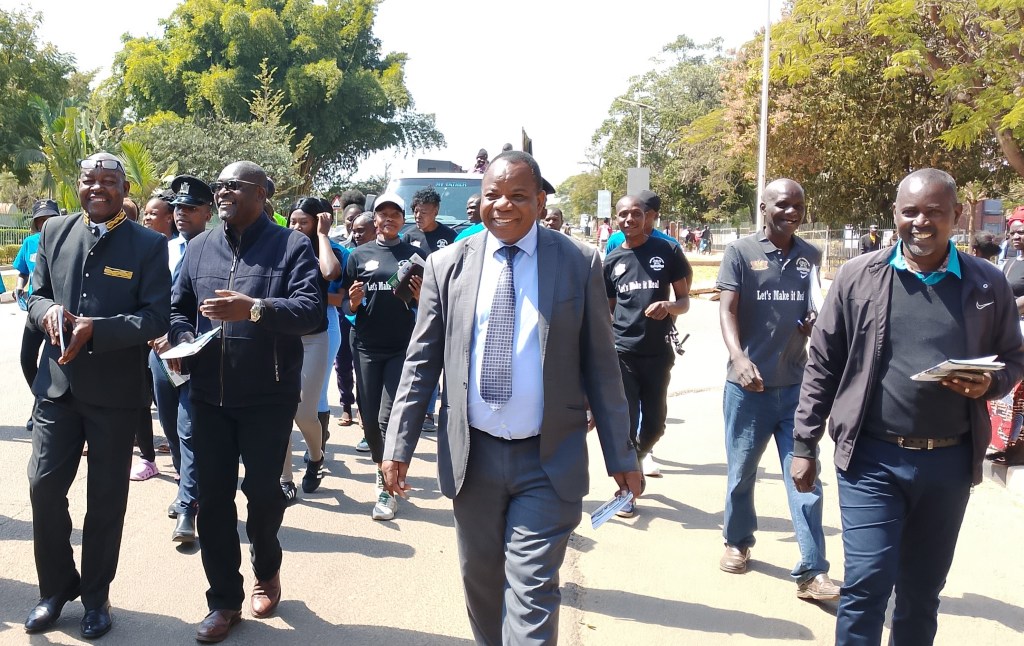
Future – Preneures Zambia in partnership with Mufulira Municipal Council is conducting the 2025 CDF sensitization Roadshow in Mufulira District.
ENHANCING CAPACITY FOR EFFECTIVE UTILIZATION AND IMPLEMENTATION OF CONSTITUENCY DEVELOPMENT FUNDS (CDF) IN MUFULIRA DISTRICT – FOCUS ON THREE CONSTITUENCIES





PROJECT BACKGROUND:
The Constituency Development Fund (CDF) was established to support grassroots development, promote local initiatives, and improve the livelihoods of citizens through funding projects at the constituency level. In Mufulira District, particularly in its three constituencies, CDF plays a pivotal role in addressing the socio-economic challenges faced by communities, including infrastructure development, education, healthcare, and agriculture.
This project seeks to address these issues by enhancing the capacity of WDC members, councilors, Loan and grant beneficiaries, enabling them to effectively utilize CDF resources, ensure transparency, and engage their communities in the decision making and monitoring processes.
However, despite the funds allocated to these constituencies, there are significant challenges surrounding the effective implementation and monitoring of CDF projects. These challenges include limited knowledge of CDF guidelines, insufficient capacity to design and manage projects, poor community engagement in decision-making, and a lack of transparency in the fund’s utilization. Many ward development committees (WDCs) and loan/grant beneficiaries face difficulties in managing funds efficiently, leading to miss use of resources and delayed project outcomes.
PROBLEM STATEMENT:
Despite the availability of Constituency Development Funds (CDF) in Mufulira District’s, the effective utilization and implementation of these funds remain suboptimal due to several challenges:
- Lack of Knowledge and Skills: WDC members, councilors, and loan/grant beneficiaries often lack the necessary knowledge of CDF guidelines, project planning processes, and fund management practices. This results in poor project identification, suboptimal resource allocation, and delays in project implementation.
- Weak Community Engagement: There is limited community involvement in the CDF decision-making process, leading to a lack of ownership and alignment between CDF-funded projects and the actual needs of the communities. This also contributes to inefficient allocation of resources.
- Inadequate Monitoring and Evaluation (M&E): There are weak systems in place for tracking the progress of CDF projects, leading to challenges in measuring their impact, ensuring accountability, and identifying any misuse or mismanagement of funds.
- Poor Financial Management: Beneficiaries of loans and grants often struggle with effective financial management, budgeting, and tracking expenditures, which reduces the impact of their projects and undermines the intended goals of CDF funding.
- Lack of Transparency and Accountability: Without effective oversight and transparency mechanisms, there are concerns about the misallocation of funds and the lack of proper reporting on CDF projects. This erodes public trust and limits the development impact.
OBJECTIVES:
- To equip WDC members and councilors with the necessary knowledge and skills on CDF guidelines, project identification, budgeting, implementation, and monitoring processes, ensuring efficient management of funds.
- To build the capacity of loan and grant beneficiaries by providing training on financial management, budgeting, resource allocation, and transparent fund utilization for effective project execution.
- To promote inclusive decision-making by engaging community members in the identification of development priorities, fostering a sense of ownership and alignment of CDF projects with local needs.
- To establish a participatory M&E system that enables stakeholders to track the progress of CDF projects, ensuring accountability and transparency in fund utilization.
TARGET BENEFICIARIES:
- Ward Development Committees (WDCs)
- Councilors
- CDF loan and grant beneficiaries
- Community members
IMPLEMENTATION PARTNERS:
- Local government authorities
- NGOs and community-based organizations (CBOs)
- Financial institutions providing loans and grants
- Development partners with expertise in governance and capacity building
PROJECT SUSTAINABILITY PLAN
The sustainability of this project lies in its focus on building local capacity, fostering ownership, and establishing long-term structures for ongoing CDF management. By training WDC members, councilors, and beneficiaries. The project empowers key stakeholders with the skills and knowledge required for effective project identification, implementation, and monitoring. The participatory M&E system ensures continuous oversight and accountability, while community engagement promotes local ownership of development initiatives. Furthermore, the project emphasizes the inclusion of women and youth, ensuring diverse participation in CDF processes, which strengthens the social fabric and supports future resilience. The training materials, workshops, and policy dialogues will provide lasting tools and frameworks that can be reused and built upon by local leaders. Additionally, the partnerships developed with government agencies and stakeholders will create a foundation for future collaboration, ensuring that the benefits of enhanced CDF utilization and governance extend beyond the project’s lifespan.
 fpszzambia.com